What is traditional Japanese tattooing, what do the motifs mean, and who should you get it from in Istanbul?
Quick answer: Traditional Japanese tattooing (Irezumi) works with motifs like dragon, koi, samurai, hannya mask, lotus and cherry blossom — executed with bold black outlines, rich colour and narrative composition. It's one of the most natural styles for sleeves and back pieces. Specialist expertise is essential.
Japanese tattoo motifs and meanings
| Motif | Meaning | Best placement |
|---|---|---|
| Dragon (Ryū) | Power, wisdom, protection | Back, full sleeve |
| Koi fish | Determination, success, transformation | Arm, calf, back |
| Hannya mask | Transformation of jealousy and pain | Back, shoulder |
| Cherry blossom (Sakura) | Impermanence of life, beauty | Shoulder, arm, neck |
| Samurai | Honour, discipline, sacrifice | Back, arm |
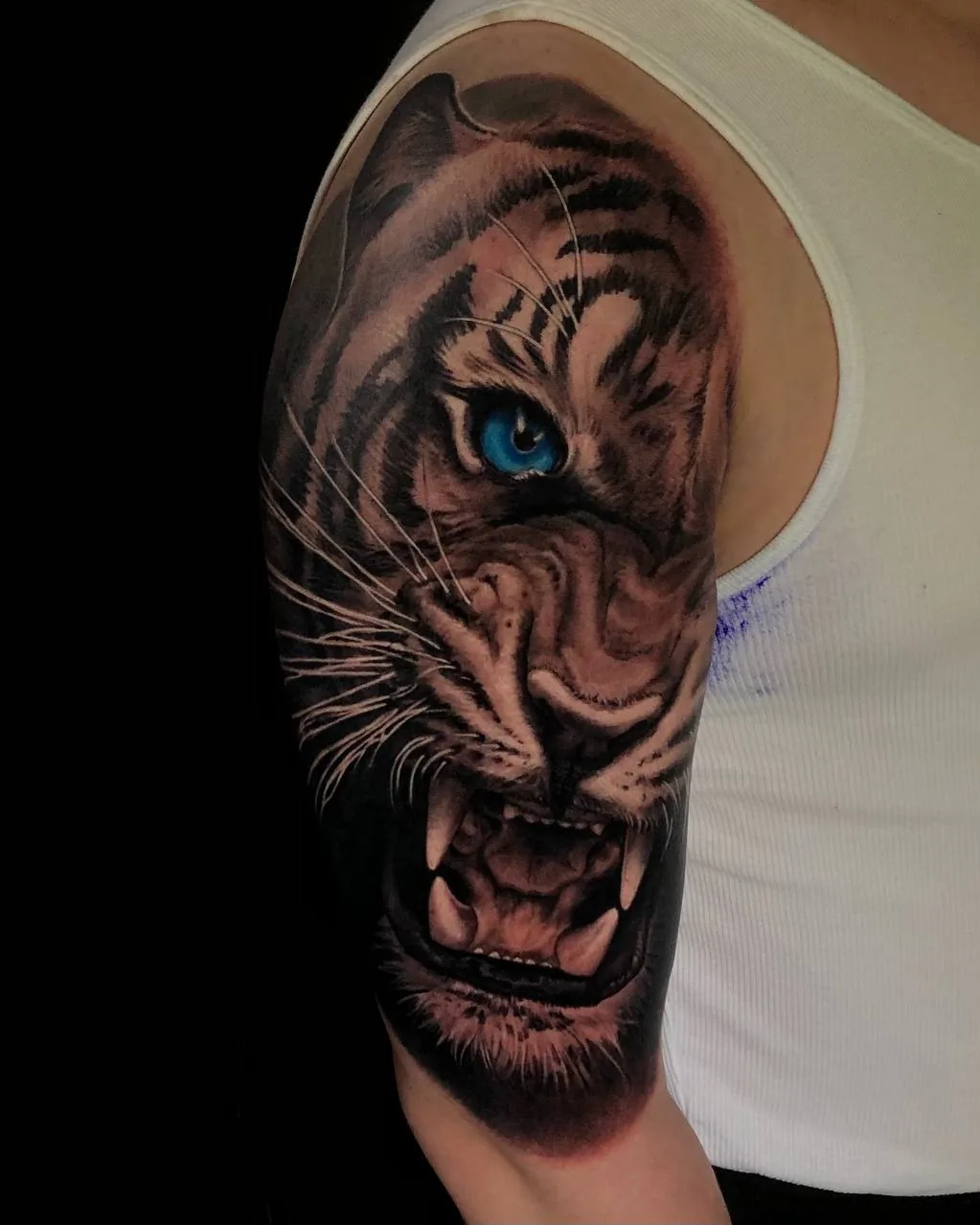
| Tiger (Tora) | Strength, courage, master of nature | Back, sleeve, chest |
| Lotus | Purity, enlightenment | Flexible — any area |
Why is it ideal for sleeves and back?
Japanese tattooing tells a story — a composition with a beginning, middle and end that flows naturally across the arm or back. Smaller individual Japanese motifs work well too; but the style's full potential emerges on large surfaces.
Comments (0)
No comments yet. Be the first to comment!