There are five ways to cover an old name: a cover-up design, a blackout, a rework, a decorative transformation, or laser first and then a cover-up. Which one fits depends on how dark and large the lettering is and where it sits; most name tattoos are covered in one session.
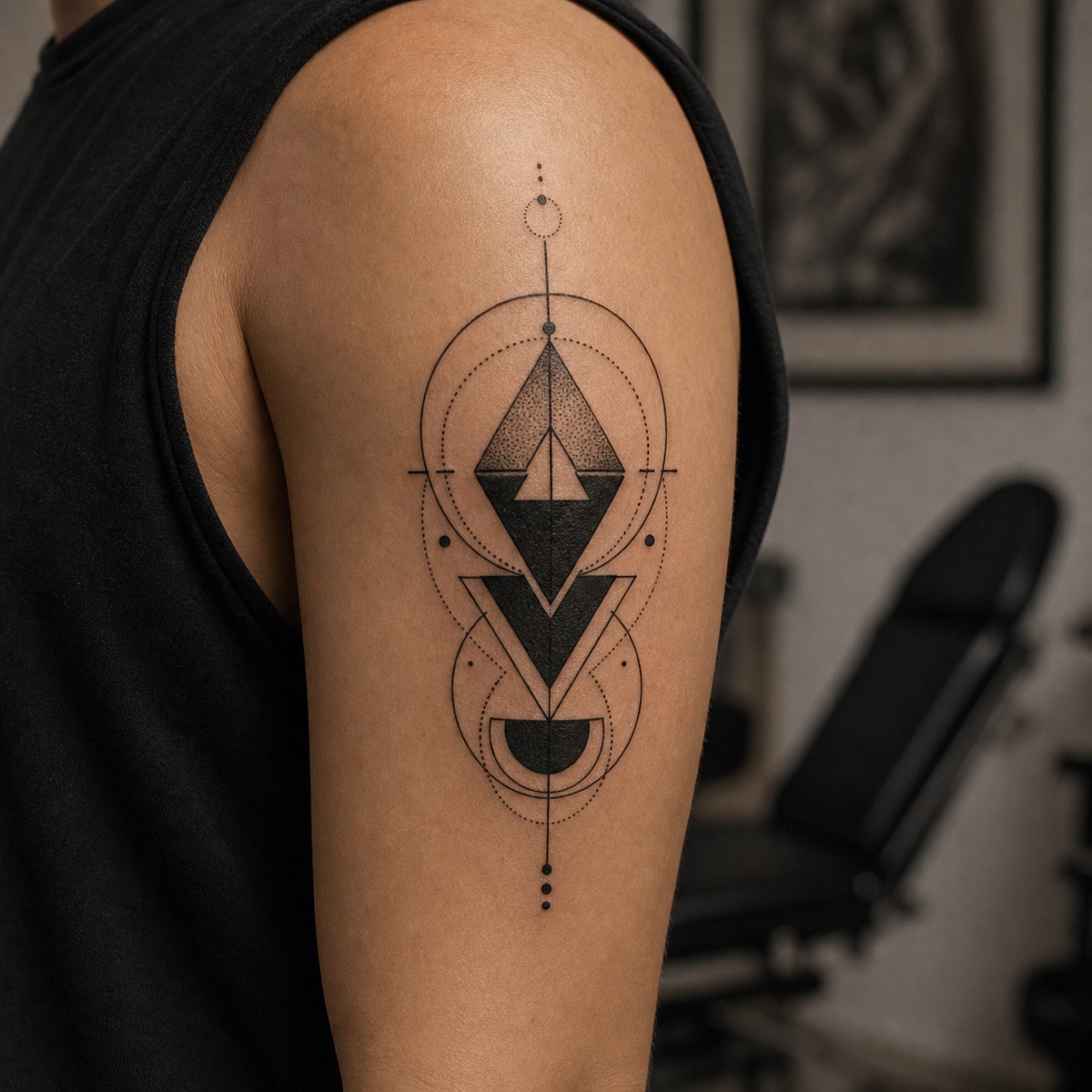
Quick answer: A name tattoo can be covered five ways: a darker, denser cover-up design over it, a blackout (solid black) over the area, a rework that turns the existing ink into a new pattern, a decorative motif (flower, shadow, geometry) that hides it, or laser fading first, then a cover-up. Which one fits depends on how dark and large the lettering is and which part of the body it's on; most name tattoos are covered in a single session.
SameDayTattoo expert note: One of the most common requests we get is the name of an ex or someone you've parted ways with. The first thing we always say is the same: don't panic, almost any name can be covered. Name tattoos are usually thin, light and small, so they're easier to cover than they look. The hard part is the aesthetic call; we work out what goes on top together so that years later it reads as a beautiful tattoo in its own right, not a cover-up. Many of our clients come in for a same-day consultation and start the solution that day.
Can a name tattoo be covered?
Yes, it can. Name tattoos are among the easiest pieces to cover because they're usually a single line of text, thin lines and light black. The logic of tattoo ink is simple: dark covers light. Because the old lettering is in a light tone, a darker, fuller design placed over it can make it disappear.
Three things decide whether a cover-up will work: how dark the lettering is, how large it is, and which area it sits on. A thin script name covers far more easily than a large name written in dark block letters. A photo is all we need to see this and give you a clear answer.
Why are some name tattoos hard to cover?
Not every name is the same. A few things make a name harder to cover, and knowing them up front sets the right expectations.
| Situation | Effect on covering |
|---|---|
| Dark / bold letters | A darker, denser design is needed to cover it. |
| Large lettering | The new piece has to be large too; a small motif won't do. |
| Thin, light script | The easiest case; usually covered in a single session. |
| Thin-skinned area (wrist, finger) | Design options are limited; laser first sometimes makes sense. |
One key rule: the cover-up has to be both darker and larger than what's underneath. That's why we pick a design that runs slightly beyond the old piece; just placing something on the letters often lets the old lettering "ghost" back through over the years.
Solution 1: Cover-up tattoo (new design over it)
The classic, most-requested route. A new tattoo is designed to take in the old name and is placed over it. The artist first reads where the old lettering is dark and where it's light, then lines up the dark parts of the new design exactly over those letters. Done right, no one can tell there's a name underneath.
The best motifs for a cover-up are shadow-rich, organic and detailed: flowers, leaves, wings, a rose, mandala fragments, shaded geometry. The secret is that it should read like an independent piece designed from scratch, not like a cover-up.
Solution 2: Blackout (solid black cover)
Blackout is the technique of covering an area in flat, solid black. However dark the name is, the solid black printed over it swallows it completely. It has a modern, bold look and is often chosen for arm bands, wrist bands or wherever the old piece is heavy.
The upside of blackout is a definite result; no ghost trace remains. The downside is that it's hard to reverse and the area goes fully black. Some clients like to add a fine pattern inside the blackout afterwards with light or white ink; that turns it from a single black block into a design.
Solution 3: Rework (turning the existing ink into a new design)
Sometimes, instead of erasing the name entirely, you can turn it into part of a design. A name can be transformed with added lines and shading into a wave, a wing or an abstract form. The letters become unreadable; the eye sees them as pattern.
Because it keeps the amount of ink to a minimum, rework is one of the gentler routes on the skin. It isn't possible with every name though; it works when the shape of the letters suits a new form. The artist can look at a photo and say "this suits a rework" or "a cover-up is better here."
Solution 4: Decorative transformation (hiding it with a motif)
This route sits somewhere between a cover-up and a rework. A decorative composition is built over and around the name to take it in naturally: a bouquet, a flow of leaves, a fine geometric pattern or a cloud of shadow. The goal is to pull the eye away from the old lettering and toward a new, balanced image.
The nice thing about a decorative transformation is how organic the result looks; it doesn't give the "they covered something" feeling. Many of our clients, especially women, prefer to cover an old name with a delicate flower or botanical design.
Solution 5: Laser first, then cover-up
If the lettering is very dark, very large or very old, a cover-up alone can struggle. In that case the soundest route is to fade the piece with 1-3 laser sessions (no need to remove it completely, just lighten it) and then do a much easier, freer cover-up over it.
Laser buys you design freedom for the cover-up that follows: you're no longer stuck with dark motifs and can use lighter colours and more delicate patterns. If we don't do the laser ourselves, we'll refer you to a clinic we trust and plan the cover-up once the fading is done.
Colour and size logic
The maths of covering is simple, but skip it and the result disappoints. Two rules:
| Rule | Why |
|---|---|
| The top design must be darker | Light doesn't cover dark; the reverse holds. |
| The top design must be larger | Running past the edges prevents a ghost trace. |
| Warm/dark palettes work | Black, navy, dark green and burgundy cover well. |
| Pastel and yellow are weak | On their own they fall short for covering. |
So tell us the colour you have in mind in the first conversation, and we'll tell you honestly whether it will actually cover. Sometimes we'll say "we can only do that light tone after laser"; that's the most honest answer.
How many sessions does it take?
Good news: most name tattoos are covered in a single session, because they're usually small and light. Large, dark or block-lettered pieces may need 2 sessions; on the laser route we plan it as 1-3 laser sessions plus 1 cover-up session.
We can only give the exact number once we see a photo or the skin. In most cases, in a same-day consultation we'll give you a concrete plan like "one session, this size, this design."
The healing process
Cover-ups and blackouts load a little more ink into the skin than a normal tattoo, so healing needs slightly more care. A protective film on day one, gentle cleaning and moisturising in the following days, and staying away from sun and sea for the first weeks are the basic rules.
Dark, solid areas can scab and feel a bit tighter during healing; that's normal. We give you written aftercare instructions and stay reachable throughout. If needed, we do a free touch-up check a few weeks later.
Choosing the right artist
Cover-up is one of the most technical branches of tattooing; not every artist specialises in it. Always ask to see the artist's previous cover-up examples, especially before-and-after photos. A good cover-up specialist tells you the limits honestly: they won't hide what will cover in one session and what will need laser first.
At SameDayTattoo, the artists who work on cover-ups and scar coverage do this regularly. Send your reference photo, tell us the area and the style you want, and we'll give you the right route, the number of sessions and a clear price up front.
- 1. Send your photo — Share a clear photo of the old name and note the area and size.
- 2. Choose the route together — Cover-up, blackout, rework, decorative transformation or laser first; we recommend what fits you.
- 3. Draw the design — We prepare a new design that takes in the old lettering and apply the stencil to the skin.
- 4. Approve and apply — After you approve the size and placement, we start the cover-up with sterile equipment.
- 5. Aftercare and touch-up — We give you written instructions and, if needed, a touch-up check after healing.
Frequently Asked Questions
Can a name tattoo be covered?
Yes. Name tattoos are among the easiest to cover because they're usually thin and light. A darker, larger design goes on top; done right, the lettering underneath is invisible.
How do you cover up an ex's name tattoo?
There are five ways: a cover-up design over it, a blackout (solid black), a rework (turning it into a pattern), hiding it with a decorative motif, or laser fading first and then a cover-up. We tell you which fits after seeing a photo.
What can you put over a name tattoo?
Shadow-rich, organic, detailed motifs give the best result: flowers, leaves, a rose, wings, mandalas, shaded geometry. These take in the old lettering naturally.
How many sessions does it take to cover a name?
Most names cover in a single session because they're small and light. Large or dark pieces may need 2 sessions; the laser route is 1-3 laser sessions plus 1 cover-up session.
What is a blackout tattoo?
Blackout is the technique of covering an area in flat, solid black. However dark the old lettering is, it's swallowed completely. It gives a definite result, but the area goes fully black.
Laser or cover-up, which is better?
They aren't rivals; they often work together. For light, small lettering a direct cover-up is enough. For very dark or large pieces, laser fading first buys you design freedom for the cover-up that follows.
Does the cover-up have to be bigger than the original?
Usually yes. The cover-up has to be both darker and a bit larger than what's underneath so no ghost trace leaks past the edges. Just putting something small on the letters won't last.
Can I cover a name with a light-coloured tattoo?
Not on its own. Light and pastel colours don't cover dark lettering. If you want a light-coloured design, the piece needs laser fading first; then more delicate colours become possible.
Does a cover-up heal differently?
It needs a little more care because more ink goes into the skin. Dark areas can scab a bit more, which is normal. We give written aftercare instructions and do a touch-up check if needed.
Comments (0)
No comments yet. Be the first to comment!