Safety is about the studio, not the city. The hygiene checklist, the red flags and how to judge a studio in five minutes.
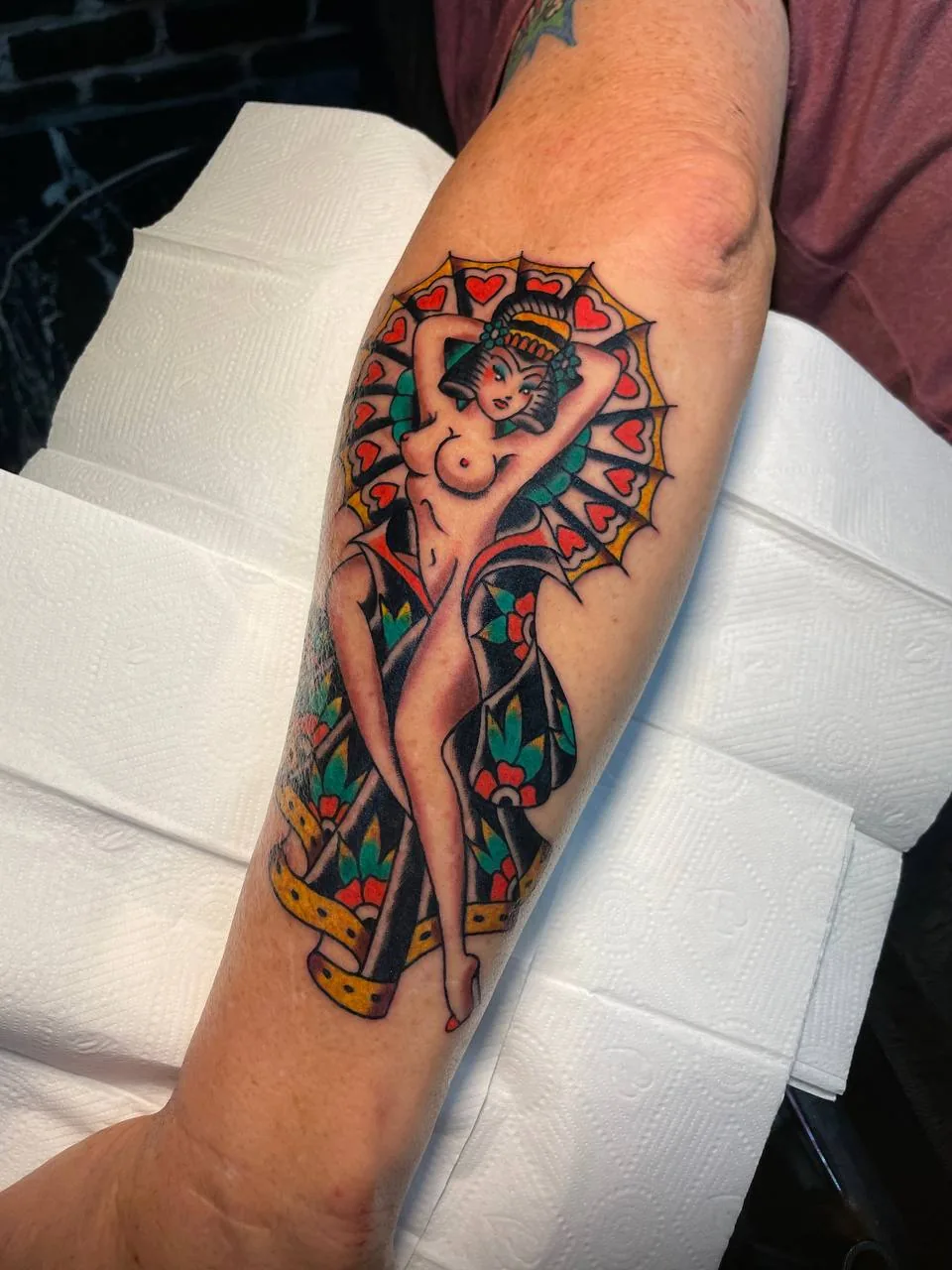
Quick answer: Yes, getting a tattoo in Istanbul is safe when you choose a professional studio. A good studio uses single-use needles, sealed equipment opened in front of you, fresh gloves, and an autoclave for sterilisation — the same standards you would expect anywhere in Europe. Risk comes from picking the cheapest or unhygienic place, not from the city itself. Judge a studio by its hygiene, recent reviews and healed-work portfolio, never by price alone.
SameDayTattoo expert note: The question we hear most from visitors is some version of "is it clean?". It is a fair question and the honest answer is that Istanbul has both excellent studios and a few you should avoid — exactly like every major city. The skill is knowing what to look for. After years of tattooing travellers, we can tell you the checks below take five minutes and remove almost all of the real risk.
Is it safe to get a tattoo in Istanbul?
Yes. Istanbul has a large, mature tattoo industry with many studios working to international hygiene standards. Tens of thousands of locals and visitors are tattooed here every year without incident. The safety of your tattoo depends far more on the specific studio and artist you choose than on the country you are in.
That is the key mindset shift. "Is Istanbul safe?" is the wrong question; "is this studio safe?" is the right one. A clean, professional studio in Istanbul is exactly as safe as a clean, professional studio in London, Berlin or anywhere else. The risk only appears when someone chooses a place purely because it is cheap or convenient, without checking anything.
What "safe" actually means in a tattoo studio
A tattoo is a controlled wound: a needle deposits ink into the second layer of skin thousands of times. Safety is about preventing infection and cross-contamination during and after that process. Four things carry almost all of the weight: single-use needles, sterilised or disposable equipment, clean barriers and gloves, and proper aftercare.
If those four are handled correctly, the procedure is low-risk for a healthy adult. If any of them is skipped, risk rises sharply — and that is true in any city. So the rest of this guide is about how to confirm those four things quickly, before you commit.
The studio hygiene checklist
Run through this list when you visit or message a studio. A professional place will pass every item without hesitation and will usually be happy to show you.
| Check | What good looks like |
|---|---|
| Needles | Single-use, sealed, opened in front of you |
| Workstation | Wiped down, covered with fresh barrier film per client |
| Gloves | New gloves put on in front of you, changed if interrupted |
| Ink | Poured into single-use caps, not reused between clients |
| Sterilisation | Autoclave on site for any reusable tools |
| Reviews | Recent, with healed photos, not just fresh-tattoo shots |
| Answers | Clear, unhurried responses to your hygiene questions |
You do not need to be an expert. If you can confirm sealed needles, fresh gloves, single-use ink caps and a visibly clean station, you have covered the essentials.
Red flags: when to walk away
Trust your instincts. Any one of these is a reason to leave and find another studio — there is always another studio.
- The artist will not open the needle in front of you, or it is already open when you sit down.
- Ink is poured from a bottle that has clearly touched other clients, or caps are reused.
- No gloves, or the same gloves after touching a phone, door or face.
- The space looks dirty, cluttered or smells of smoke.
- You feel rushed, pressured to decide, or your questions are brushed off.
- A price so far below everyone else that something has to be cut — and hygiene is what gets cut.
Single-use needles: the one thing to watch
The single most important moment is when the needle is opened. It should come from a sealed, sterile pouch, opened in front of you, and go straight into a new tube or cartridge grip. After the session it is dropped into a sharps bin and never reused. If you watch only one thing, watch this.
Modern studios almost always use pre-sterilised single-use cartridge needles, which removes the older risk entirely. You are well within your rights to ask "can I see you open the needle?" — a professional artist expects it.
Sterilisation and disposables
Anything that cannot be thrown away — for example certain grips or tools — must be cleaned and sterilised in an autoclave, a machine that uses pressurised steam to kill all microorganisms. Many studios now run almost fully disposable setups, where grips, tubes and even razors are single-use. Both approaches are safe; what matters is that nothing reusable touches your skin without sterilisation.
Ink quality and allergies
Reputable studios use professional, branded tattoo inks rather than unknown bulk ink. Serious reactions are rare, but red and some bright pigments cause allergic reactions slightly more often than black. If you have sensitive skin or known pigment allergies, mention it before you book and ask what inks the studio uses. A small patch is not standard practice, but a good artist will discuss your skin honestly.
Questions to ask before you book
You can send these by message before you even arrive. The answers tell you a lot about the studio.
- Do you use single-use needles and open them in front of the client?
- How do you sterilise any reusable equipment?
- Can I see healed work in the style I want?
- What inks do you use?
- What aftercare do you provide and in what language?
Is Istanbul really less safe than home? Myth vs reality
The fear that a tattoo abroad is automatically riskier is mostly a myth. Hygiene standards in a professional Istanbul studio are not lower than in Western Europe; the equipment, needles and inks are the same global brands. What differs between any two studios anywhere is the individual operator's standards. A careful traveller who checks the basics is in safe hands here.
| Common worry | Reality |
|---|---|
| "Tattoos abroad are dirty" | Professional studios use the same single-use, sterile standards worldwide |
| "Cheaper means lower quality" | Lower cost reflects lower rent and wages, not lower hygiene — at a good studio |
| "I won't be understood" | Studios in tourist areas work in English and confirm the design visually |
| "I can't check anything as a tourist" | The five-minute hygiene checklist works in any language |
Aftercare is half of your safety
Even a perfectly clean tattoo can get infected afterwards if it is not cared for. The first two weeks matter most: keep it clean, follow the studio's washing and moisturising routine, and stay out of the sea, pools and direct sun. On a trip this is the part people get wrong, so plan your beach days and your tattoo so they do not overlap.
What to do if something looks wrong
Some redness, warmth and light swelling in the first days is normal. Warning signs that need attention are spreading redness, increasing pain after day three, a fever, or thick discharge. If you see those, contact the studio and see a doctor or dermatologist — do not wait until you are home.
Important: This content is for general information, not medical advice. If you notice excessive swelling, fever, pus-like discharge or a rash that won't heal, see a doctor or dermatologist. If you are pregnant, take blood thinners or have a skin condition, consult your physician first.
How SameDayTattoo keeps it safe
Our process is built so a visitor can verify safety at every step.
- Sealed, single-use needles opened in front of you before every session.
- Fresh barrier film and gloves for each client, changed if anything is touched.
- Autoclave and disposables so nothing reusable reaches your skin unsterilised.
- Professional branded inks, poured into single-use caps.
- Written aftercare in your language, plus a contact for questions once you travel home.
Frequently asked questions
Is it safe to get a tattoo in Istanbul?
Yes, at a professional studio using single-use needles, sealed equipment and an autoclave. Choose by hygiene and reviews, not by lowest price.
How do I know a studio is hygienic?
Confirm sealed needles opened in front of you, fresh gloves, single-use ink caps, a clean station and recent reviews with healed photos.
Should I worry about the needle?
Ask to see it opened from a sealed sterile pouch. Modern studios use pre-sterilised single-use cartridges, so reuse risk is removed.
Are tattoos abroad riskier than at home?
No — professional studios use the same global brands of needles and ink. Risk depends on the individual studio, not the country.
Can I get an infection from a tattoo?
It's uncommon with good hygiene and aftercare. Keep it clean, avoid sea and pools for about two weeks, and watch for spreading redness or fever.
What if I have sensitive skin or allergies?
Tell the studio before booking and ask what inks they use. Red and bright pigments react slightly more often than black.
Does a cheaper price mean lower safety?
Not at a good studio — lower cost reflects rent and wages. But a price far below everyone else can mean corners are cut, so check hygiene carefully.
What are the warning signs after a tattoo?
Spreading redness, rising pain after day three, fever or thick discharge. See a doctor if these appear and contact your studio.
Comments (0)
No comments yet. Be the first to comment!